The Door Zone Danger and How to Stay Safe
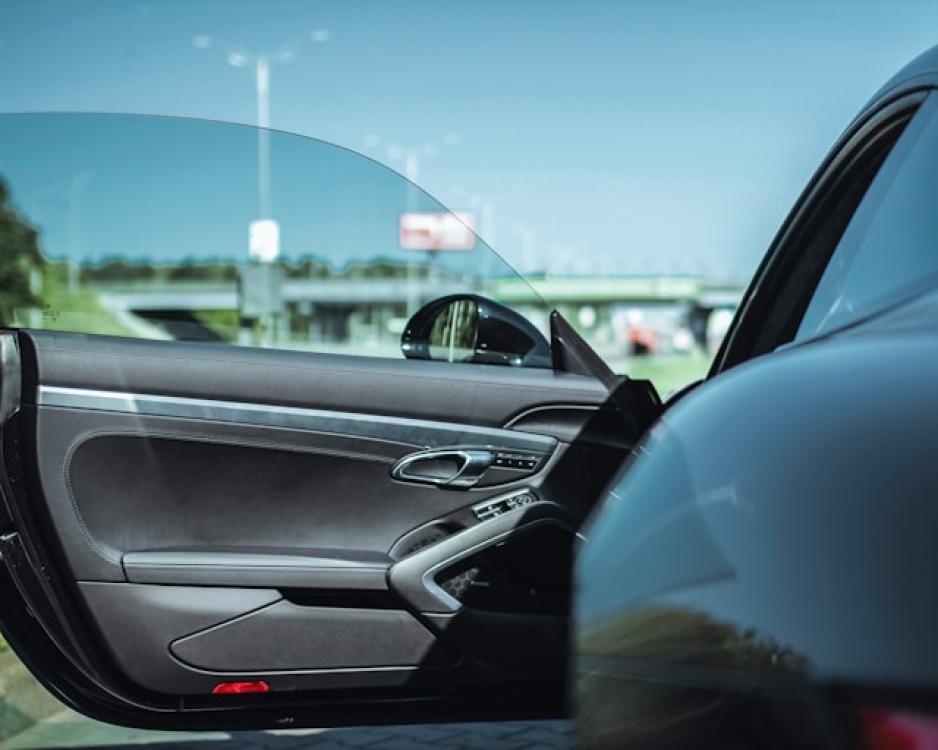
Dooring is one of the most common causes of cycling collisions in busy towns and cities. A single opened car door can knock a cyclist to the ground or worse, send them into moving traffic. Understanding the door zone and knowing how to avoid it can prevent serious injuries and help you ride with more confidence.
This guide explains what the door zone is, why dooring happens, and how to protect yourself on urban roads.
What the Door Zone Is
The door zone is the space alongside a parked vehicle where a car door can swing open without warning. If a cyclist rides inside this space, they risk being struck by the door or forced into traffic.
A suddenly opened door can cause a rider to fall, collide with the door itself, or veer into the path of a passing vehicle. Even low-speed impacts can lead to significant injuries.
For official guidance, see
Highway Code rules on dooring
Why Dooring Accidents Happen?
Dooring incidents are usually caused by simple lapses in attention.
Drivers often forget to check their mirrors before opening the door. Passengers may be distracted by phones or conversations. Narrow urban streets give cyclists little room, which increases risk. Busy roads with high traffic flow create pressure for riders to keep left, even when it puts them inside the door zone.
Most dooring incidents are entirely avoidable when people take proper care, but cyclists still need strategies that help protect them.
How to Position Yourself Safely
Your road position plays a major role in preventing door zone collisions.
Riding in the primary position is one of the safest options. This means positioning yourself in the centre of the lane when passing parked cars. It keeps you outside the opening width of a car door and discourages drivers from attempting unsafe overtakes.
If the road is wide enough, move laterally to stay well clear of parked vehicles. Avoid hugging the kerb, as this limits your space to manoeuvre and keeps you inside the danger area.
Choosing a safer line gives you time to react and reduces the chances of sudden impact.
Spotting Risk Before It Happens
There are signs that a door may open. Look for any indication that a vehicle is occupied. Someone moving inside the car, brake lights flickering, or interior lights switching on can mean a door is about to open.
Taxi pickups present a higher risk, as passengers often enter or exit quickly. Delivery zones and loading areas are also danger points, as people move in and out of vehicles more frequently.
Reading the road in this way gives you more control and allows you to adjust position before a sudden opening occurs.
What to Do if You Are Doored
If a dooring collision happens, your safety comes first. Seek medical attention as soon as possible, even if injuries appear minor. Some injuries worsen over time or reveal themselves later.
Preserve evidence where you can. Take photos of the scene, the vehicle, the door, and any damage to your bike. Ask for the driver’s details and note nearby cameras that may have captured the incident. Reporting the collision to the police helps document what happened.
Once you are safe, contact a specialist cycling solicitor. A solicitor with cycling expertise understands the dynamics of dooring incidents and can help you secure the medical care, rehabilitation, and compensation you may be entitled to.
No Win, No Fee – Cycle Legal Fights for You
- Cycling head injury claims – even without a helmet.
- Proving liability & countering contributory negligence claims.
- Ensuring you receive the maximum cycling accident compensation.
Call us today on 0203 735 9652 or email kevinosullivan @cycle-legal.co.uk for a free consultation – No Win, No Fee.
Your injuries aren’t your fault — don’t let insurers say otherwise.
Get in touch today